

Introduction
In today’s digital world, streaming media is a significant part of online content consumption. Whether it’s watching a movie, listening to music, or attending a live event, content delivery must be fast, reliable, and efficient. This is where CDN streaming media comes into play. By leveraging a content distribution network (CDN), media companies ensure a smooth and high-quality experience for viewers worldwide. This article delves into CDN streaming, its meaning, benefits, and how it works to optimize streaming media delivery.
Table of Contents
What is CDN Streaming Media?
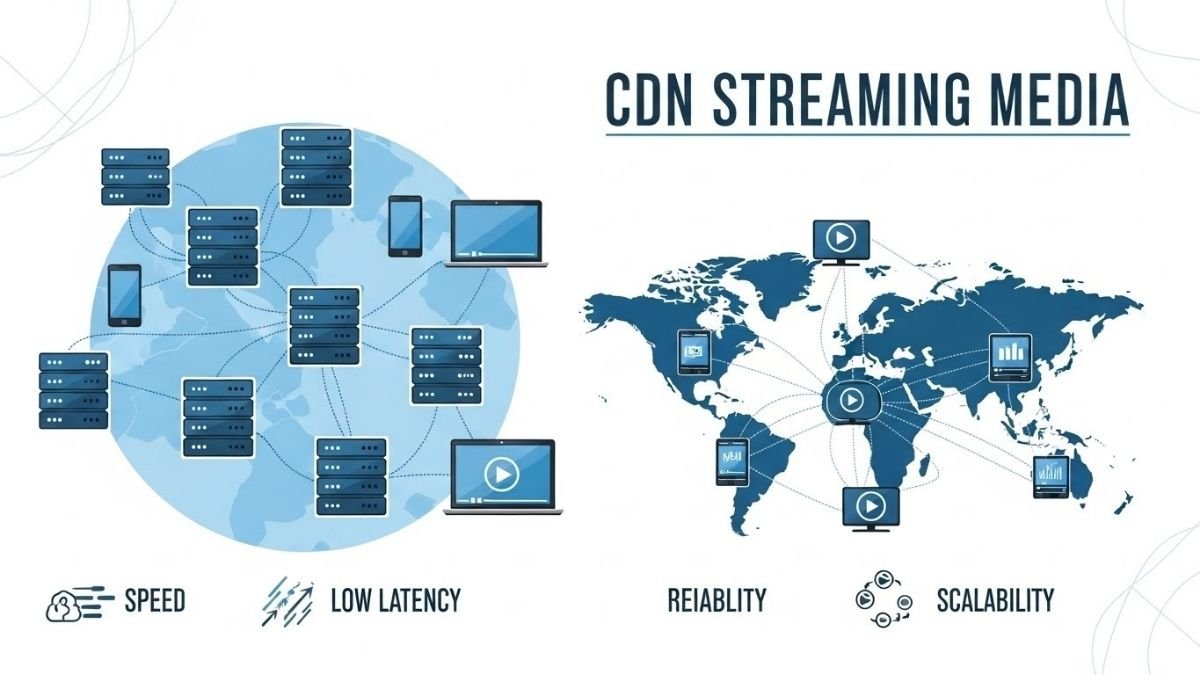
CDN streaming media refers to the method of delivering streaming content via a content distribution network (CDN). A CDN is a network of geographically distributed servers designed to deliver content quickly and efficiently. With CDN streaming media providers can ensure that video, audio, and other digital content are delivered seamlessly to users, regardless of their location. This technology reduces latency and buffering, improving user experience.
How Does CDN Streaming Work?
The process of CDN streaming begins with the original content being uploaded to a central server. The streaming media CDN then stores copies of this content on various servers located around the world. When a user requests to view or listen to the content, the CDN directs the request to the nearest server, ensuring faster loading times and less buffering. This makes the delivery process more efficient and reliable, especially for global audiences.
Benefits of CDN Streaming Media Companies
For media companies, using a content distribution network (CDN) for streaming offers several advantages. First, it improves the overall streaming media CDN performance by reducing latency. Second, it ensures scalability by handling large amounts of traffic during peak usage times. Finally, it enhances security by preventing DDoS attacks and ensuring secure data delivery, making it a vital tool for streaming platforms.
Also, read Matoketcs.com: The Ultimate Guide to Predictive Analytics & ROI
What is a Content Distribution Network (CDN)?
A content distribution network (CDN) is a system of servers that work together to deliver content to users based on their geographical location. The main purpose of a CDN is to reduce the distance between the user and the server, improving load times and user experience. This network not only optimizes CDN streaming media but also ensures faster delivery of all types of content, including images, videos, and website data.
The Role of CDN in Streaming Media
When it comes to streaming media, the role of a CDN is crucial. Without a content distribution network, streaming platforms would face significant challenges in delivering content quickly and efficiently. A CDN streaming service ensures that videos, music, and other forms of media reach users in real-time, with minimal buffering or interruptions. The CDN optimizes the flow of data, ensuring a smooth streaming experience.
How CDN Improves Streaming Performance
CDN streaming helps improve performance by storing content closer to the user. This reduces the time it takes for data to travel between the server and the viewer, minimizing buffering and improving video quality. By using a streaming media CDN, companies can provide consistent, high-quality content regardless of where the user is located, even during high-demand periods.
CDN Streaming vs. Traditional Streaming
Unlike traditional streaming methods, where content is delivered from a single server, CDN streaming media relies on multiple servers to distribute content efficiently. This makes it more scalable, reliable, and faster. CDN streaming can handle massive traffic spikes without affecting performance, something that traditional streaming struggles with during peak usage.
CDN Meaning: Why It’s Essential for Streaming
The term CDN meaning refers to the technology that allows content to be distributed across multiple servers. In the context of CDN streaming, this means that media providers can deliver high-quality streaming services without delays or interruptions. CDN streaming optimizes data delivery, making it essential for streaming services like Netflix, YouTube, and Spotify to function smoothly.
Also, read Herbciepscam: Ultimate Next-Gen Secure Solution
Choosing the Right CDN for Streaming Media
When selecting a streaming media CDN, it’s important to consider factors like server locations, bandwidth, scalability, and security. A good CDN should provide global reach, low latency, and the ability to handle large amounts of traffic. The content distribution network should also be flexible enough to accommodate the growing demands of streaming platforms.
Conclusion
In conclusion, CDN streaming media is an essential technology for delivering high-quality, efficient, and reliable streaming content. By utilizing a content distribution network (CDN), media companies can improve the performance of their streaming platforms, reduce latency, and provide a better experience for users worldwide. As streaming continues to grow, CDN streaming will remain a vital part of the digital landscape.
FAQs
1. What is the meaning of CDN?
A content distribution network (CDN) is a system of servers designed to deliver content quickly and efficiently by reducing the distance between the user and the server.
2. How does CDN streaming work?
CDN streaming works by distributing content across multiple servers worldwide, ensuring faster and more reliable delivery to users, regardless of their location.
3. What is the role of a CDN in streaming media?
A CDN enhances the performance of streaming media by reducing buffering, improving load times, and providing high-quality content delivery globally.
4. Why is CDN important for streaming services?
CDNs are crucial for streaming services because they enable quick content delivery, handle traffic spikes, and ensure a smooth, high-quality viewing experience for users.
