

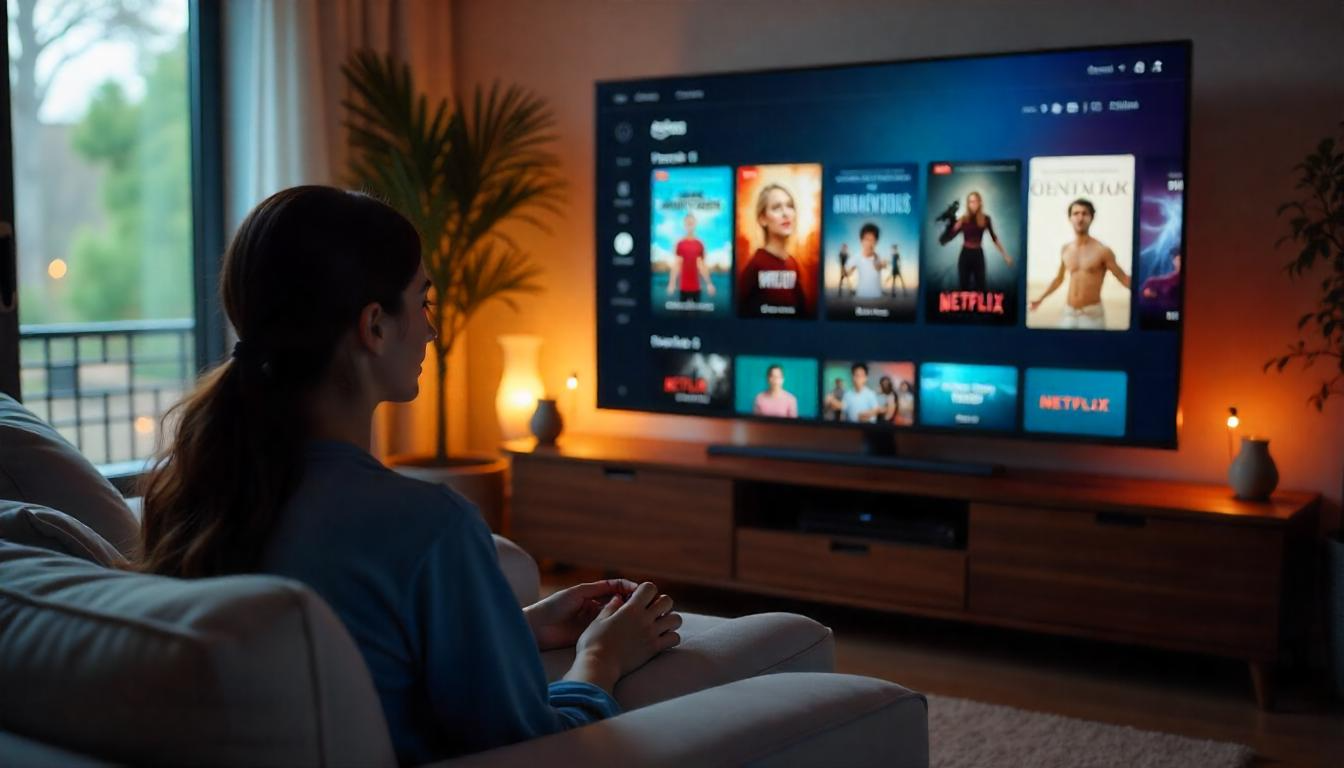
Redbox kiosks once represented the ultimate convenience in physical media rental, offering a low-cost, automated solution for accessing movies. However, in the wake of the digital streaming boom, the company’s reliance on physical discs became unsustainable, leading many to ask, what replaces Redbox? The simple answer is that no single service has stepped in; instead, a diversified ecosystem of digital, streaming, and specialized physical services has emerged to collectively take the place of the familiar red machine.
This comprehensive analysis breaks down the ten leading strategies and platforms that have become the primary Redbox alternatives, exploring how they cater to different consumer needs, from instant digital rentals of new releases to free, ad-supported streaming of classic titles, solidifying exactly what replaced Redbox in the modern entertainment consumption hierarchy.
Table of Contents
The Decline of the Kiosk Model: Why Redbox Needed a Successor
The rapid decline of the physical media kiosk was an inevitable consequence of two major technological shifts: the proliferation of high-speed internet and the ubiquity of connected devices. Consumers who once viewed driving to a kiosk as convenient quickly realized that renting a film from their couch in seconds offered superior speed and comfort. Furthermore, the limited inventory of a kiosk, a major bottleneck for high-demand new releases, was eradicated by digital platforms offering unlimited, on-demand availability of every title.
This shift from an “ownership of access” model (i.e., owning the physical disc for a day) to a pure “instant access” model meant that the fundamental value proposition of the redbox alternatives was no longer about price alone, but about eliminating all friction from the movie-watching experience, making the kiosk a relic of the past.
The Primary Answer: Transactional Video On Demand (TVOD)
The most direct and functionally accurate answer to what replaces Redbox is the Transactional Video On Demand (TVOD) category, which includes platforms like Vudu, Google Play Movies, and the digital rental features of Amazon and Apple. TVOD maintains the pay-per-view model that Redbox customers relied upon, allowing users to rent specific, individual movies for a 24-48 hour viewing window without requiring any monthly subscription commitment.
These services offer the latest theatrical releases much faster than subscription platforms and often feature films in premium formats like 4K Ultra HD and HDR, delivering a superior quality experience compared to standard definition DVDs. The ease of access to renting a movie with a single click and watching it instantly on any device makes TVOD the true spiritual successor to the kiosk system.
Also, read RedBox India: The Best Streaming Platform in 2025
Deep Dive: Amazon Prime Video’s Rental and Purchase Ecosystem
Amazon Prime Video is a powerful Redbox alternative because it expertly blends subscription benefits with a massive TVOD storefront. For those who already subscribe to Prime for shipping benefits, the platform’s ability to offer thousands of movies and TV shows for rent or purchase is instantly available through their existing account. New releases are typically available digitally the moment they leave the theatrical window, giving Amazon a clear advantage over physical kiosks in terms of timeliness.
Furthermore, the integration with Amazon’s hardware, like Fire TV Sticks and smart TVs, provides a seamless, multi-device viewing experience. The platform’s vast library, combined with easy navigation and competitive rental pricing, makes it a dominant force among the answers to what replaced Redbox in household media consumption.
The Apple TV Ecosystem: Seamless Integration for Digital Renters
For consumers deeply embedded in the Apple product ecosystem, the Apple TV app offers an exceptionally high-quality and integrated solution to the question of what replaces Redbox. Known for prioritizing superior video quality, Apple often offers 4K, Dolby Vision, and Dolby Atmos audio formats at the same price point as standard HD rentals, making it a favorite among cinephiles.
The key differentiator is the seamless cross-device synchronization: a rental started on an iPhone can be instantly paused and resumed on an Apple TV, iPad, or Mac without any effort. This highly refined user experience, coupled with immediate access to all new movie releases, targets the high-end convenience sector of the market, positioning it as a premium-quality Redbox alternative for users prioritizing performance and device consistency.
Also, read RedBox TV 1.4v Download: Beware of Fake Versions!
Subscription Video On Demand (SVOD) as a Functional Redbox Alternative
While SVOD services like Netflix, Hulu, and Disney+ do not offer the transactional, new-release rental model of Redbox, they functionally serve as a complete replacement for the general movie-watching appetite of most households. For a fixed monthly fee, these platforms offer unlimited access to enormous back catalogs of movies and TV shows, eliminating the cost-per-view concern that drove customers to Redbox.
The sheer volume of content available instantly addresses the consumer need for readily available, low-cost entertainment, significantly reducing the motivation to seek out an external rental source. This shift represents the most profound cultural change in media consumption, where a predictable monthly expense now covers the majority of leisure viewing, making SVOD the largest competitor to every type of pay-per-view service.
The Free, Ad-Supported Solution: AVOD Platforms as What Replaced Redbox
For the budget-conscious consumer who only used Redbox for extremely low-cost or free rentals, the answer to what replaced Redbox lies in the rapid growth of Ad-Supported Video On Demand (AVOD) services such as Tubi, Pluto TV, and Crackle. These platforms offer massive, though typically older, movie and TV show libraries entirely free of charge, supported instead by intermittent commercial breaks.
This model successfully captures the segment of the market that prioritizes cost savings over the latest releases, providing an on-demand, non-subscription Redbox alternative for older catalog titles and niche genres. The trade-off for zero cost is the presence of advertisements, but for millions of users, this is a negligible inconvenience compared to the hassle and small fee of a physical rental.
Also, read Redbox Locations Near Me 2025 Best Exciting Picks
Physical Media’s Last Stand: Mail-Order Services
Though highly specialized, mail-order rental services provide the true physical Redbox alternative for dedicated media collectors and viewers seeking obscure or older titles not yet digitized. The pioneer in this space, formerly Netflix DVD, still operates by sending physical discs to customers’ homes via mail, offering an unparalleled depth of catalog that far surpasses any kiosk or even many digital libraries.
While the convenience of instant viewing is lost, the advantage of guaranteed physical access, superior video quality (especially for Blu-ray), and the availability of rare or out-of-print films make this service a niche but critical answer to what replaces Redbox for the enthusiast market. These services fill the gap where digital rights are complicated or where the highest fidelity viewing experience is desired.
Gaming Consoles and Smart TVs: Integrated Rental Gateways
Modern gaming consoles (like PlayStation and Xbox) and integrated Smart TV interfaces serve as crucial hardware gateways that have displaced the Redbox kiosk as the primary access point for rentals. Instead of driving to a physical location, users now initiate rentals directly through dedicated apps on their connected devices, turning their living room TV into an all-in-one entertainment hub. These devices often feature the most popular TVOD and SVOD services pre-installed, offering a seamless transition from playing a video game or watching cable TV to renting a new movie.
This integration highlights how the question of what replaced Redbox is also a question of technological convergence, where the hardware itself eliminates the need for any external physical retail interaction for media consumption.
Key Consideration: Access to Premium New Releases (PVOD/E-PVOD)
A major factor in determining what replaces Redbox is the industry’s shift to Premium Video On Demand (PVOD) and Early PVOD (E-PVOD). Previously, the kiosk model was attractive because it offered new releases relatively quickly after their theatrical run. Now, studios often bypass that window entirely, offering films for digital rental or purchase within weeks, sometimes even days, of their cinema debut. This compressed release window is a direct assault on the traditional rental timing. The current Redbox alternatives like Amazon and Apple are now the beneficiaries of this early release strategy, guaranteeing consumers immediate access to blockbuster titles and permanently sidelining the physical disc as a relevant distribution medium for current content.
The Future of Flexible Viewing: Bundling and Price Sensitivity
The ultimate collective answer to what replaces Redbox is a hybrid, flexible viewing strategy dictated by price sensitivity and specific content needs. Consumers now freely toggle between three primary options: the subscription model (SVOD) for daily viewing, the transactional model (TVOD) for premium new releases, and the free ad-supported model (AVOD) for budget-friendly catalog content. The future suggests more service bundling and tiered pricing (e.g., ad-supported SVOD tiers) designed to mimic the low-cost nature of Redbox while retaining the digital convenience. This multi-platform, content-on-demand ecosystem is the lasting legacy of what replaced Redbox, offering consumers unprecedented control, choice, and convenience over their media consumption budget and habits.
FAQs About What Replaces Redbox
Q1: What is the single most direct digital replacement for the Redbox kiosk rental model?
Transactional Video On Demand (TVOD) services like Amazon Prime Video and Vudu directly replace the pay-per-view kiosk rental model.
Q2: Are there still options available for renting physical DVDs or Blu-rays?
Yes, specialized mail-order services still provide physical DVD and Blu-ray rentals for collectors and rare, non-digital titles.
Q3: What are the best alternatives for free movie watching that replace Redbox?
Free, ad-supported streaming platforms (AVOD) like Tubi and Pluto TV offer older films and TV shows at zero cost.
Q4: Is a Netflix subscription considered a direct alternative to renting from Redbox?
No, Netflix is an SVOD service offering unlimited streaming for a monthly fee, which is a different model than pay-per-movie rental.
Q5: Why did the Redbox kiosk model ultimately fail to compete with digital services?
It failed because digital services offer instant access, unlimited inventory, and superior 4K/HD quality, eliminating the need for travel.
